



Achilles tendon pain can range from soreness and tenderness to a sudden, serious rupture. The Achilles tendon is a strong band of tissue that connects the calf muscles to the heel. It helps the foot push off the ground while walking, running, and jumping. A rupture happens when the tendon tears after a forceful movement. A sudden snap or popping feeling in the back of the leg can be a warning sign. Some people describe it as feeling like they were struck in the calf. Pain, swelling, and difficulty pushing off the foot can occur. Importantly, a person with a ruptured Achilles tendon can sometimes still walk or move the ankle, so these abilities do not rule out a rupture.
A podiatrist can evaluate Achilles tendon pain or a suspected rupture by reviewing the injury and examining the foot, ankle, and lower leg. The examination can include the calf squeeze test, which checks foot movement when the calf is gently squeezed. A ruptured tendon can cause little or no normal foot movement with this test. A gap in the tendon is not always easy to feel because swelling can hide it. In some cases, imaging can provide more information, but a clinical examination can identify an acute rupture. Prompt recognition is important because a missed rupture can heal in a lengthened position and lead to lasting weakness.
Treatment for an Achilles rupture depends on the injury and the patient's needs. A podiatrist can help determine an appropriate treatment plan, which can include immobilization, structured rehabilitation, or surgery. Follow-up visits can allow the podiatrist to monitor healing, strength, and function and adjust treatment as recovery progresses. Achilles tendon pain without a rupture also deserves attention, especially when pain continues or affects normal activity. If you have Achilles tendon pain, it is suggested that you schedule an appointment with a podiatrist for a diagnosis and appropriate treatment.
Achilles tendon injuries need immediate attention to avoid future complications. If you have any concerns, contact Dr. Lee R. Stein of Lake Shore Foot & Ankle, PC. Our doctor can provide the care you need to keep you pain-free and on your feet.
What Is the Achilles Tendon?
The Achilles tendon is a tendon that connects the lower leg muscles and calf to the heel of the foot. It is the strongest tendon in the human body and is essential for making movement possible. Because this tendon is such an integral part of the body, any injuries to it can create immense difficulties and should immediately be presented to a doctor.
What Are the Symptoms of an Achilles Tendon Injury?
There are various types of injuries that can affect the Achilles tendon. The two most common injuries are Achilles tendinitis and ruptures of the tendon.
Achilles Tendinitis Symptoms
- Inflammation
- Dull to severe pain
- Increased blood flow to the tendon
- Thickening of the tendon
Rupture Symptoms
- Extreme pain and swelling in the foot
- Total immobility
Treatment and Prevention
Achilles tendon injuries are diagnosed by a thorough physical evaluation, which can include an MRI. Treatment involves rest, physical therapy, and in some cases, surgery. However, various preventative measures can be taken to avoid these injuries, such as:
- Thorough stretching of the tendon before and after exercise
- Strengthening exercises like calf raises, squats, leg curls, leg extensions, leg raises, lunges, and leg presses
If you have any questions please feel free to contact one of our offices located in Chicago, and Highland Park, IL . We offer the newest diagnostic tools and technology to treat your foot and ankle needs.

If left untreated, an ingrown toenail can lead to more serious concerns, such as an infection. Knowing proper nail care can help in the prevention of an ingrown toenail. Give us a call, and get treated!

Ankle pain while walking can make simple activities feel difficult. The ankle supports the body and helps the foot move with each step, so pain in this area can affect balance and movement. Ankle pain can develop after an injury, but it can also have other causes. Sprains, tendon issues, and problems involving the bones or joints can all contribute to ankle discomfort. Pain may occur on one or both sides of the ankle and can range from mild soreness to sharp or severe discomfort. Swelling, stiffness, or difficulty putting weight on the foot can also occur. A podiatrist can examine the ankle and determine what could be causing the pain.
A podiatrist can assess the ankle by checking its movement, strength, and areas of tenderness. The examination helps determine whether the pain is related to an injury, a tendon, or another part of the foot and ankle. Treatment depends on the cause and severity of the symptoms. Care can include protecting the affected area, reducing stress on the ankle, and using treatment designed to improve movement and function. A podiatrist can also assess how foot structure and walking patterns affect the ankle. This can be helpful when pain continues or returns after activity.
Ankle pain while walking should receive prompt attention when it is severe, or makes it difficult to put weight on the foot. Significant swelling, a change in the shape of the ankle, or severe pain after an injury can also require careful evaluation. A podiatrist can determine whether imaging tests or additional treatment is appropriate based on the findings. Identifying the cause of ankle pain can help guide care and reduce the chance of continued problems with movement. An evaluation is also useful when ankle pain continues without a clear injury. If you have ankle pain while walking, it is suggested that you schedule an appointment with a podiatrist for a diagnosis and appropriate treatment.
Ankle pain can have many different causes and the pain may potentially be serious. If you have ankle pain, consult with Dr. Lee R. Stein from Lake Shore Foot & Ankle, PC. Our doctor will assess your condition and provide you with quality foot and ankle treatment.
Ankle pain is any condition that causes pain in the ankle. Due to the fact that the ankle consists of tendons, muscles, bones, and ligaments, ankle pain can come from a number of different conditions.
Causes
The most common causes of ankle pain include:
- Types of arthritis (rheumatoid, osteoarthritis, and gout)
- Ankle sprains
- Broken ankles
- Achilles tendinitis
- Achilles tendon rupture
- Stress fractures
- Tarsal tunnel syndrome
- Plantar fasciitis
Symptoms
Symptoms of ankle injury vary based upon the condition. Pain may include general pain and discomfort, swelling, aching, redness, bruising, burning or stabbing sensations, and/or loss of sensation.
Diagnosis
Due to the wide variety of potential causes of ankle pain, podiatrists will utilize a number of different methods to properly diagnose ankle pain. This can include asking for personal and family medical histories and of any recent injuries. Further diagnosis may include sensation tests, a physical examination, and potentially x-rays or other imaging tests.
Treatment
Just as the range of causes varies widely, so do treatments. Some more common treatments are rest, ice packs, keeping pressure off the foot, orthotics and braces, medication for inflammation and pain, and surgery.
If you have any questions please feel free to contact one of our offices located in Chicago, and Highland Park, IL . We offer the newest diagnostic tools and technology to treat your foot and ankle needs.
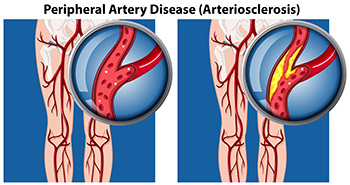
Peripheral artery disease, or PAD, develops when arteries in the legs become narrow or blocked. As a result, the feet receive less oxygen-rich blood. PAD can cause aching, cramping, and numbness in the legs and feet. Some individuals also experience weakness. Pain can begin when walking and ease with rest. Warning signs include cold feet and toes, pale skin, and slow-growing toenails. The skin can look bluish, smooth, or shiny. Because symptoms can seem related to aging or inactivity, patients do not seek care until the disease is more severe.
Reduced circulation makes foot injuries harder to heal. A cut can develop into an open sore because the tissue lacks enough blood to repair itself. Watch for wounds on the toes, heels, or ankles that heal slowly. Resting foot pain, skin-color changes, and unusually cool areas also deserve prompt attention. Severe PAD can lead to tissue death, called gangrene, and could require surgery or loss of limb. PAD also raises the risk of heart attack and stroke. Smoking can worsen PAD, so quitting is an important step. Regular exercise can improve circulation and reduce leg pain, but patients should ask their podiatrist to recommend appropriate activities.
A podiatrist can examine the feet for changes that point to poor circulation. The visit can include checking skin temperature, checking for pulses, and examining nails and wounds. A podiatrist can also perform or arrange an ankle-brachial index test. This test compares blood pressure at the ankle with blood pressure in the arm. The results can show whether blood flow to the legs is reduced. A podiatrist can manage wounds and help prevent infection. Early diagnosis protects the feet and supports better overall health. If you have symptoms of peripheral artery disease, it is suggested that you schedule an appointment with a podiatrist for a diagnosis and appropriate treatment and management solutions.
Peripheral artery disease can pose a serious risk to your health. It can increase the risk of stroke and heart attack. If you have symptoms of peripheral artery disease, consult with Dr. Lee R. Stein from Lake Shore Foot & Ankle, PC. Our doctor will assess your condition and provide you with quality foot and ankle treatment.
Peripheral artery disease (PAD) is when arteries are constricted due to plaque (fatty deposits) build-up. This results in less blood flow to the legs and other extremities. The main cause of PAD is atherosclerosis, in which plaque builds up in the arteries.
Symptoms
Symptoms of PAD include:
- Claudication (leg pain from walking)
- Numbness in legs
- Decrease in growth of leg hair and toenails
- Paleness of the skin
- Erectile dysfunction
- Sores and wounds on legs and feet that won’t heal
- Coldness in one leg
It is important to note that a majority of individuals never show any symptoms of PAD.
Diagnosis
While PAD occurs in the legs and arteries, Podiatrists can diagnose PAD. Podiatrists utilize a test called an ankle-brachial index (ABI). An ABI test compares blood pressure in your arm to you ankle to see if any abnormality occurs. Ultrasound and imaging devices may also be used.
Treatment
Fortunately, lifestyle changes such as maintaining a healthy diet, exercising, managing cholesterol and blood sugar levels, and quitting smoking, can all treat PAD. Medications that prevent clots from occurring can be prescribed. Finally, in some cases, surgery may be recommended.
If you have any questions, please feel free to contact one of our offices located in Chicago, and Highland Park, IL . We offer the newest diagnostic and treatment technologies for all your foot care needs.
