


Items filtered by date: June 2025
Heel Pain Can Be Treated!

Do you suffer from heel pain when you get up in the morning? If so, you should seek professional help and have a proper diagnosis performed. Heel pain can be caused by several different foot-related conditions.
Spotting a Foot Stress Fracture

A foot stress fracture is a small crack in the bone caused by repetitive stress rather than a single traumatic event. It often develops over time and is common among athletes and individuals who suddenly increase their activity level. Risk factors include wearing poor footwear, weakened bones, and high-impact sports. Causes may involve overuse, improper training, or biomechanical issues. Symptoms include localized pain, swelling, tenderness, and discomfort during activity. A podiatrist can confirm the diagnosis through imaging tests, recommend rest, footwear changes, and possibly immobilization to ensure proper healing. If you have persistent foot pain that worsens with activity, it is suggested that you promptly schedule a visit with a podiatrist to receive expert care and prevent complications.
Stress fractures occur when there is a tiny crack within a bone. To learn more, contact Dr. Lee R. Stein from Lake Shore Foot & Ankle, PC. Our doctor can provide the care you need to keep you pain free and on your feet.
How Are They Caused?
Stress fractures are the result of repetitive force being placed on the bone. Since the lower leg and feet often carry most of the body’s weight, stress fractures are likely to occur in these areas. If you rush into a new exercise, you are more likely to develop a stress fracture since you are starting too much, too soon. Pain resulting from stress fractures may go unnoticed at first, however it may start to worsen over time.
Risk Factors
- Gender – They are more commonly found in women compared to men.
- Foot Problems – People with unusual arches in their feet are more likely to develop stress fractures.
- Certain Sports – Dancers, gymnasts, tennis players, runners, and basketball players are more likely to develop stress fractures.
- Lack of Nutrients – A lack of vitamin D and calcium may weaken the bones and make you more prone to stress fractures
- Weak Bones – Osteoporosis can weaken the bones therefore resulting in stress fractures
Stress fractures do not always heal properly, so it is important that you seek help from a podiatrist if you suspect you may have one. Ignoring your stress fracture may cause it to worsen, and you may develop chronic pain as well as additional fractures.
If you have any questions please contact one of our offices located in Chicago, and Highland Park, IL . We offer the newest diagnostic and treatment technologies for all your foot and ankle needs.
Managing Discomfort From Plantar Heel Pain
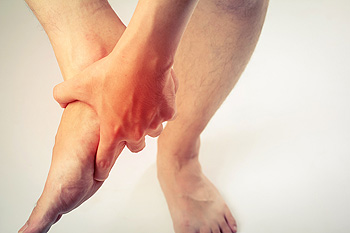
Plantar heel pain refers to discomfort at the bottom of the heel, often caused by irritation or inflammation of the soft tissues that support the foot. Common causes include overuse, poor footwear, excess weight, or abnormal foot mechanics. The pain is typically sharp and felt with the first steps in the morning or after periods of rest. Staying active within comfort limits is important, as movement helps maintain circulation and flexibility. A podiatrist can evaluate the cause of the pain, provide custom orthotics, suggest stretching routines, and recommend footwear for support. If you are experiencing ongoing heel pain, it is strongly suggested that you contact a podiatrist who can guide you through effective solutions to reduce discomfort and support daily activity.
Many people suffer from bouts of heel pain. For more information, contact Dr. Lee R. Stein of Lake Shore Foot & Ankle, PC. Our doctor can provide the care you need to keep you pain-free and on your feet.
Causes of Heel Pain
Heel pain is often associated with plantar fasciitis. The plantar fascia is a band of tissues that extends along the bottom of the foot. A rip or tear in this ligament can cause inflammation of the tissue.
Achilles tendonitis is another cause of heel pain. Inflammation of the Achilles tendon will cause pain from fractures and muscle tearing. Lack of flexibility is also another symptom.
Heel spurs are another cause of pain. When the tissues of the plantar fascia undergo a great deal of stress, it can lead to ligament separation from the heel bone, causing heel spurs.
Why Might Heel Pain Occur?
- Wearing ill-fitting shoes
- Wearing non-supportive shoes
- Weight change
- Excessive running
Treatments
Heel pain should be treated as soon as possible for immediate results. Keeping your feet in a stress-free environment will help. If you suffer from Achilles tendonitis or plantar fasciitis, applying ice will reduce the swelling. Stretching before an exercise like running will help the muscles. Using all these tips will help make heel pain a condition of the past.
If you have any questions, please feel free to contact one of our offices located in Chicago, and Highland Park, IL . We offer the newest diagnostic and treatment technologies for all your foot care needs.
Understanding Gout

Gout is a form of inflammatory arthritis that often affects the feet, especially the big toe. It is caused by a buildup of uric acid in the blood, which forms sharp crystals in the joints. Gout is more common in men over 40, postmenopausal women, and anyone with a diet high in red meat, seafood, or alcohol. Those with obesity, kidney disease, or a family history of gout are also at higher risk. A gout attack typically comes on suddenly, often at night, with intense pain, redness, swelling, and warmth in the affected joint. The pain can be so severe that even the touch of a bedsheet feels unbearable. A podiatrist can diagnose gout through a physical exam, joint fluid analysis, and blood tests. Treatment includes medications to reduce inflammation and lower uric acid levels, along with dietary guidance and footwear recommendations. If you have had one or more gout flare-ups, it is suggested that you are under the care of a podiatrist who can help you to manage this painful condition.
Gout is a painful condition that can be treated. If you are seeking treatment, contact Dr. Lee R. Stein from Lake Shore Foot & Ankle, PC. Our doctor will treat your foot and ankle needs.
What Is Gout?
Gout is a form of arthritis that is characterized by sudden, severe attacks of pain, redness, and tenderness in the joints. The condition usually affects the joint at the base of the big toe. A gout attack can occur at any random time, such as the middle of the night while you are asleep.
Symptoms
- Intense Joint Pain - Usually around the large joint of your big toe, and it most severe within the first four to twelve hours
- Lingering Discomfort - Joint discomfort may last from a few days to a few weeks
- Inflammation and Redness -Affected joints may become swollen, tender, warm and red
- Limited Range of Motion - May experience a decrease in joint mobility
Risk Factors
- Genetics - If family members have gout, you’re more likely to have it
- Medications - Diuretic medications can raise uric acid levels
- Gender/Age - Gout is more common in men until the age of 60. It is believed that estrogen protects women until that point
- Diet - Eating red meat and shellfish increases your risk
- Alcohol - Having more than two alcoholic drinks per day increases your risk
- Obesity - Obese people are at a higher risk for gout
Prior to visiting your podiatrist to receive treatment for gout, there are a few things you should do beforehand. If you have gout you should write down your symptoms--including when they started and how often you experience them, important medical information you may have, and any questions you may have. Writing down these three things will help your podiatrist in assessing your specific situation so that he or she may provide the best route of treatment for you.
If you have any questions, please feel free to contact one of our offices located in Chicago, and Highland Park, IL . We offer the newest diagnostic and treatment technologies for all your foot care needs.
Foot and Ankle Pain Caused by Running

Foot and ankle pain from running is a frequent problem, often caused by repeated stress and small imbalances in how the feet move. Runners put a lot of pressure on their feet with every step, which can lead to soreness. This is especially true if they increase distance too quickly, wear worn-out shoes, or return to running too soon after an injury. Common running injuries include stretched or torn ligaments from twisting an ankle, pain on the inner or outer sides of the ankle from overworked tendons, or aching at the back of the heel where the foot connects to the leg. Some runners feel sharp pain in the arch or bottom of the foot, while others may feel burning or tingling from pressure on nerves. A podiatrist can check how your foot moves, look for signs of overuse, and recommend proper treatment. If you are experiencing pain after running, it is suggested that you schedule an appointment with a podiatrist for a diagnosis and appropriate treatment.
All runners should take extra precaution when trying to avoid injury. If you have any concerns about your feet, contact Dr. Lee R. Stein of Lake Shore Foot & Ankle, PC. Our doctor will treat your foot and ankle needs.
How to Prevent Running Injuries
There are a lot of mistakes a runner can make prior to a workout that can induce injury. A lot of athletes tend to overstretch before running, instead of saving those workouts for a post-run routine. Deep lunges and hand-to-toe hamstring pulls should be performed after a workout instead of during a warmup. Another common mistake is jumping into an intense routine before your body is physically prepared for it. You should try to ease your way into long-distance running instead of forcing yourself to rush into it.
More Tips for Preventing Injury
- Incorporate Strength Training into Workouts - This will help improve the body’s overall athleticism
- Improve and Maintain Your Flexibility – Stretching everyday will help improve overall performance
- “Warm Up” Before Running and “Cool Down” Afterward – A warm up of 5-10 minutes helps get rid of lactic acid in the muscles and prevents delayed muscle soreness
- Cross-Training is Crucial
- Wear Proper Running Shoes
- Have a Formal Gait Analysis – Poor biomechanics can easily cause injury
If you have any questions, please feel free to contact one of our offices located in Chicago, and Highland Park, IL . We offer the newest diagnostic and treatment technologies for all your foot care needs.
